Lagos receives consistent international search interest from buyers looking for property that can generate rental income alongside personal use. Buyer enquiry patterns through the first half of 2026 suggest a noticeable shift toward rental-led searches, particularly from UK, Dutch, German and Irish enquirers. The headline yield numbers in generic Algarve guides often miss the structural differences between property types in Lagos itself.
A two-bedroom apartment in the Marina is a different rental product to a four-bedroom villa in Porto de Mós and the numbers reflect that. The figures below represent indicative gross yield ranges, before tax, vacancy and operating costs, drawn from ten Hoopen’s transaction observations and from public market data sets including Confidencial Imobiliário and overnight-stay data from Turismo de Portugal. They give a working sense of where each Lagos property type currently sits.
1. Apartments in Lagos Marina
- Price band of €350,000 to €700,000 for 1 to 2 beds
- Typical gross yield of 5% to 6% on short-term lets
- High season typically runs from June to September, with shoulder-season demand extending into May and October
- Off-season occupancy of 30% to 45% with active management
- Buyer mix is predominantly UK, Dutch, Irish and increasingly US buyers
The Marina segment benefits from year-round visibility, restaurant proximity and a renter profile that includes both holiday and longer-stay digital-nomad demand. Listings turn over relatively quickly.
2. Old Town and Centro Apartments
- Price band of €280,000 to €550,000 for 1 to 2 beds
- Typical gross yield of 5% to 7% on short-term lets
- Walkability boosts shoulder season
- Off-season occupancy of 35% to 50% with character listings
- Buyer demand is particularly strong among Dutch, UK and German buyers
Period-feature apartments inside the historic centre command higher rate-per-night than purely modern stock at the same size, particularly with Dutch and German renters who prefer character over polish. Yield can sit at the top of this band where the listing is well presented.
3. Townhouses in Porto de Mós and Western Lagos
- Price band of €550,000 to €900,000 for 3 to 4 beds
- Typical gross yield of 4% to 5% on weekly lets
- Strongest demand in July and August
- Shorter overall booking window
- Buyer mix is predominantly UK and Dutch buyers, with some German and US interest
Larger units pull in family bookings concentrated in peak weeks. The shoulder calendar is harder to fill than for apartments, which compresses yield. Owners who use the property themselves during peak weeks see this number fall further.
4. Detached Villas Inland Around Lagos
- Price band of €750,000 to €1.5m for 4-bed homes
- Typical gross yield of 3% to 4% on weekly lets
- Lower occupancy outside peak
- Larger pool and grounds increase the cost line
- Buyer mix is predominantly UK and Dutch second-home owners
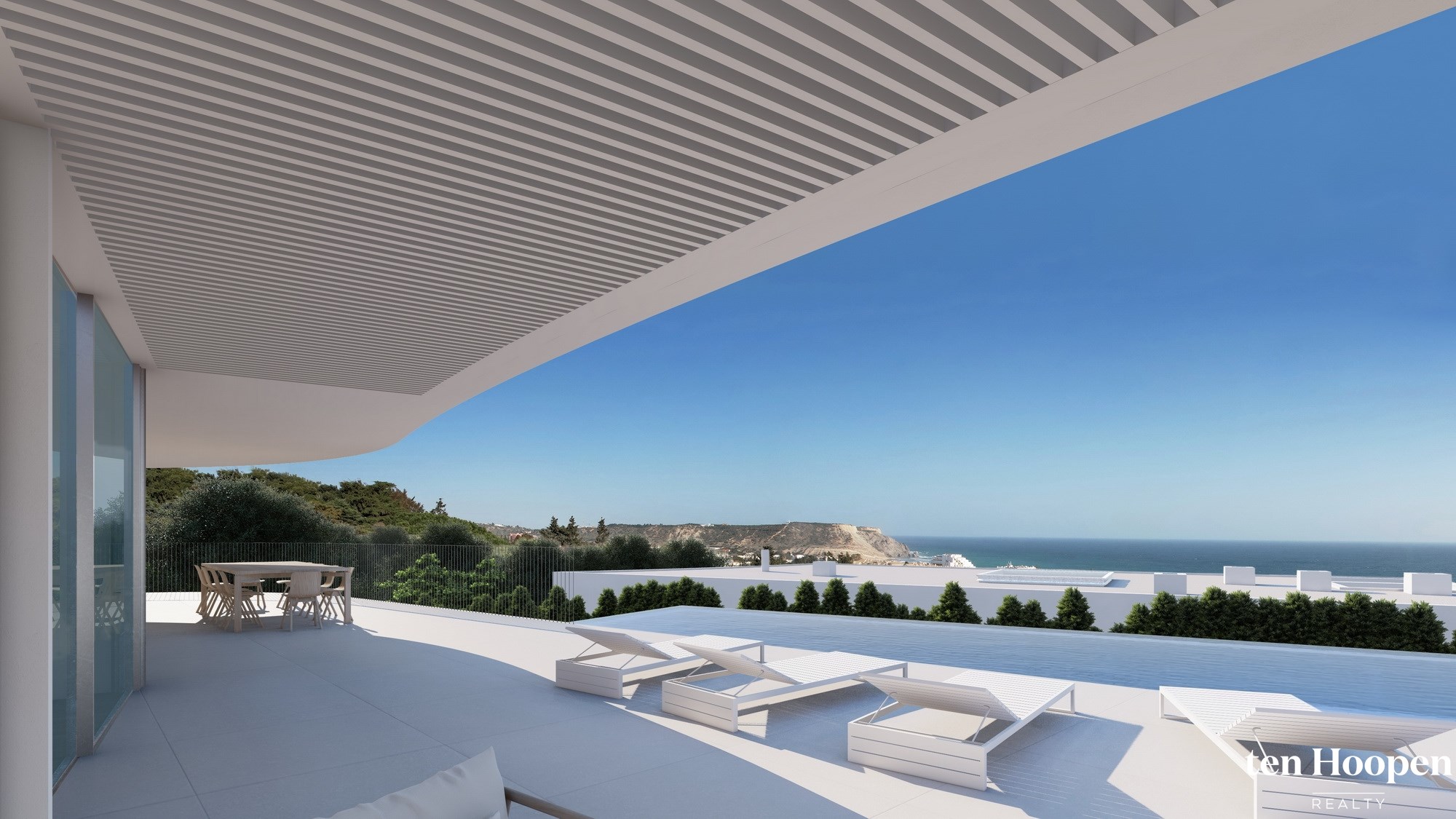
Yield on inland villas is typically lower because the cost of running pool and grounds is higher and the off-season booking pattern is shorter. The trade-off is more space, more privacy and stronger long-term capital position.
5. Beachfront Villas at Meia Praia and Praia da Luz
- Price band of €1.5m to €4m
- Typical gross yield of 2.5% to 3.5%
- Premium ADR through peak weeks
- Owner-use proportion typically higher
- Buyer mix is predominantly UK, Irish and US buyers, with some German and Swiss interest
The headline daily rate in peak weeks is high. The annual yield is not, because owner use absorbs the strongest weeks and the off-season is materially harder to fill at the price point. Capital appreciation has historically been the larger return component for this segment.
6. Why Yield and Capital Appreciation Pull in Different Directions
Higher yields cluster in the smaller, walkable, Lagos-central listings. Higher capital growth tends to cluster in the larger detached homes with better-than-average plots. The buyer’s view on which matters more usually decides the type. Buyer enquiry trends through 2026 increasingly point toward stronger demand for two-bedroom Lagos-central apartments, particularly among first-time international buyers.
Operating costs do not scale linearly with property size. A €2m villa typically costs three to four times what a €500,000 apartment costs to run on a per-month basis. That is the reason yield falls as size grows and the reason the yield ranges above hold a clear pattern.
The Reality of Lagos Rental Yields in 2026
- Yield is structurally tied to property type, not to listing quality alone
- Smaller, central apartments outperform on yield
- Larger villas underperform on yield but often outperform on appreciation
- Buyer nationality patterns vary materially by type
- Operating costs scale with size, not with rent
For most international buyers in Lagos in 2026, the trade-off is yield against personal use and appreciation. Reading yield data alongside the ongoing holding costs of each type gives a more complete picture than searching by price alone and the market across the Lagos property areas now offers enough range that the decision can be made on substance, not on assumption.
A few additional points worth noting. Gross yield does not equate to net yield. Algarve-specific operating costs, including alojamento local licence fees, condominium charges, IMI and short-stay tourist tax, typically erode 25% to 35% of the gross figure before any cleaning or platform commission is deducted. Buyers comparing properties on a yield-only basis should always run a net calculation alongside, particularly for properties carrying larger plot or pool footprints.
An additional factor increasingly considered by international buyers in 2026 is regulatory certainty around short-term rentals. Standard residential properties operating under Alojamento Local (AL) licences remain subject to evolving municipal and national regulation, including potential condominium restrictions and licensing limitations in some urban areas.
By contrast, purpose-built touristic developments operating under an approved touristic licence structure may offer greater long-term operational clarity for buyers specifically focused on rental usage and managed tourism income.
Buyer enquiry patterns in 2026 also suggest a meaningful difference between first-time international Lagos buyers and repeat buyers. First-time enquirers are more likely to filter by sea view and pool, often at the cost of yield. Repeat buyers, in particular Dutch and Irish nationalities returning for a second property, filter more tightly on location, walkability and rental performance. Listings that perform across both filters tend to transact fastest and at the firmest prices.